
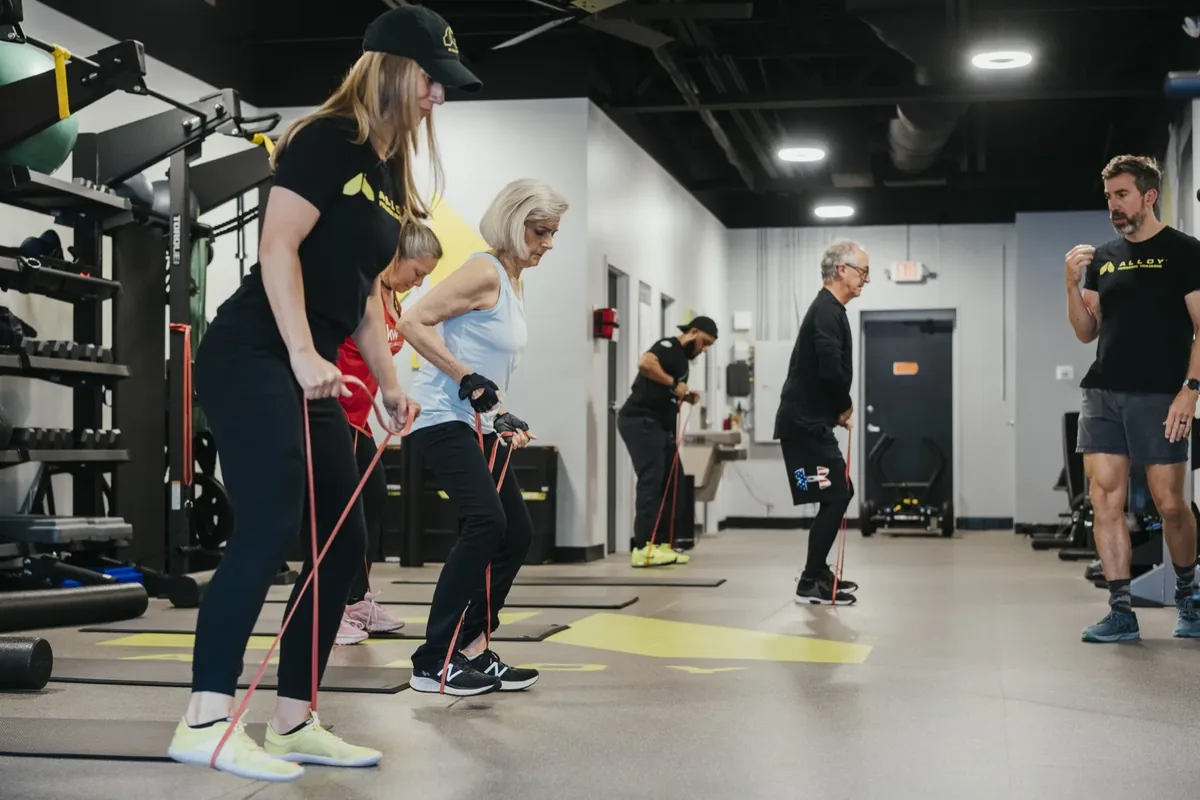
Muscle mass after 40 matters because it is the physical asset the rest of your life quietly runs on, and it is the one that drifts if you leave it alone. Research consistently associates maintaining muscle mass with healthy aging: with staying independent, capable, and active deep into later decades. Strength naturally declines without training from midlife on, and the practical response is not complicated. Strength training two to three times a week, done consistently, is how adults over 40 keep the muscle they have and, in most cases, add to it.
What does the research actually say?
The honest version, without overclaiming: a large and growing body of research associates higher muscle mass and strength in midlife with better odds of aging well, staying mobile, and living independently. Researchers have studied age-related muscle loss for decades, and the consistent theme across that work is that the adults who keep their strength tend to keep their capability. The pattern holds across countries, decades of follow-up, and study designs, which is exactly what you want to see before building habits around a finding.
Notice what that framing is not: a causal promise. Association is not a guarantee, and we will not dress it up as one. It does not need to be. "The strong adults tend to stay capable" is more than enough of a finding to act on, because the action it points to is inexpensive, widely available, and worth doing for a dozen other reasons anyway.
What happens to muscle if you do nothing?
It drifts. From roughly the 30s onward, adults who do not strength train gradually lose muscle and strength, a little each year, quietly enough that no single year of it gets noticed. The drift shows up instead as a decade's accumulation: the suitcase that got heavier, the stairs that got longer, the floor that got farther away.
Two things make this drift very different from a verdict. It is slow, which means small consistent deposits beat it. And it responds to training at every age: adults who start progressive strength training in their 50s, 60s, and beyond still make meaningful strength gains. The drift is a default, not a destiny.
What is your muscle actually paying for?
Frame the next 30 years concretely and the case makes itself. Muscle is what carries the groceries in one trip and the grandkid on your shoulders. It is what gets you off the floor without a plan, up a steep trail with attention left over for the view, and through a travel day of jet bridges, stairs, and overhead bins without strategy or hoping for help.
None of those is a gym goal, and that is the point. Every one of them is quietly funded by strength you either maintained or did not. Members at Alloy Personal Training Ahwatukee Foothills rarely say they are training for skeletal muscle mass. They say hiking season, yard work in the heat, a lake trip with the family. Muscle mass is simply the account those things draw on.
Key Takeaway
Research associates maintaining muscle mass with healthy aging, independence, and capability, and muscle drifts away without training from midlife on. The response is straightforward: two to three progressive strength sessions a week, kept up consistently. That is the muscle-mass case in full, and it is the strongest argument for starting now rather than at some rounder-numbered birthday.
How much training does it take to keep it?
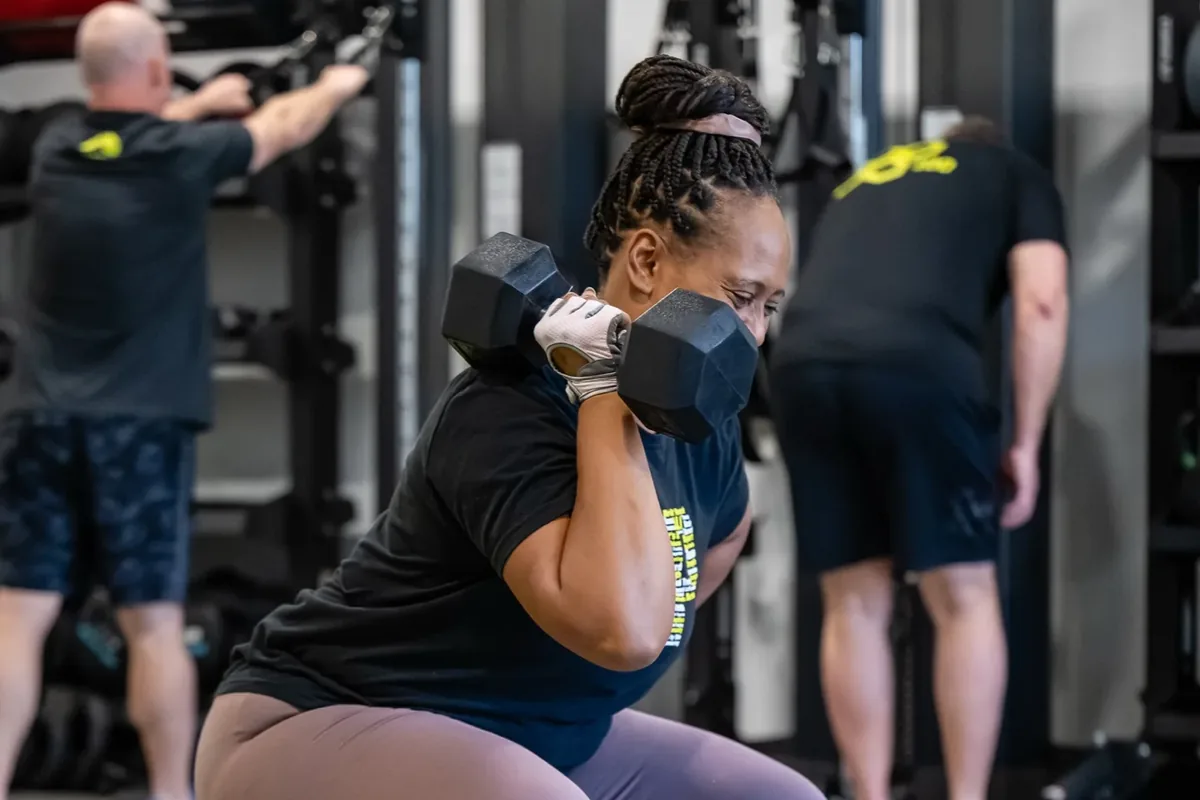
Less than the drift makes you fear: two to three strength sessions a week, built around the big movement patterns (squat, hinge, push, pull, carry) and progressed steadily over time. Consistency is the active ingredient. A modest program you actually repeat for years beats an ambitious one you abandon every spring.
After 40, the "progressed steadily" part is where coaching earns its keep. Programming should start from an assessment of your history and movement, respect recovery between sessions, and adjust individually as you get stronger. That is the design of our studio in the Ahwatukee Foothills: sessions capped at six members, led by a professional coach, with every exercise progressed per person. The full coaching model is here. And because muscle mass is the asset in question, we track it directly: every member gets a monthly InBody scan, so your skeletal muscle mass is a line you can watch, not a hope.
Does everyday activity count as maintaining muscle?
Mostly, no, and it is the most common miscalculation adults make. Walking, golf, pickleball, and yard work are all genuinely good for you, and nobody here will talk you out of any of them. But maintaining muscle takes a specific kind of signal: resistance that challenges the muscle and increases over time. An active life spends your strength; it does not build the reserve. That is why the fittest-looking calendar, full of walks and rounds and matches, can still sit on top of two decades of quiet muscle drift.
The fix is not to trade the activities away. It is to add the two to three strength sessions that fund them. If you already have an active Ahwatukee life, early mornings on the trails, weekend rounds, evening pickleball, you are the ideal candidate: the strength work protects everything you already love doing.
Where does this fit in the bigger picture?
The muscle-mass case is one piece of a larger argument we have made about training for the decades ahead, in longevity training: strength for the next 30 years, and about what personal training for adults over 40 in Ahwatukee should look like. If you would rather begin than keep reading, Book Your Complimentary VIP Consultation: a conversation about your health history and goals, an InBody body composition scan that includes your muscle-mass baseline, a functional movement assessment, and an introductory coached workout.